
Brass, Bronze, or Stainless Steel: Which Watch Material is Best for You?
Struggling to choose between watch materials? The classic shine of steel, warm tone of brass, or unique aging of bronze can be confusing, making it hard to pick.
Stainless steel is a durable, corrosion-resistant alloy that keeps its silver shine. Brass is an affordable, gold-colored copper-zinc alloy. Bronze is a copper-tin alloy famous for developing a unique, aged patina over time from oxidation.
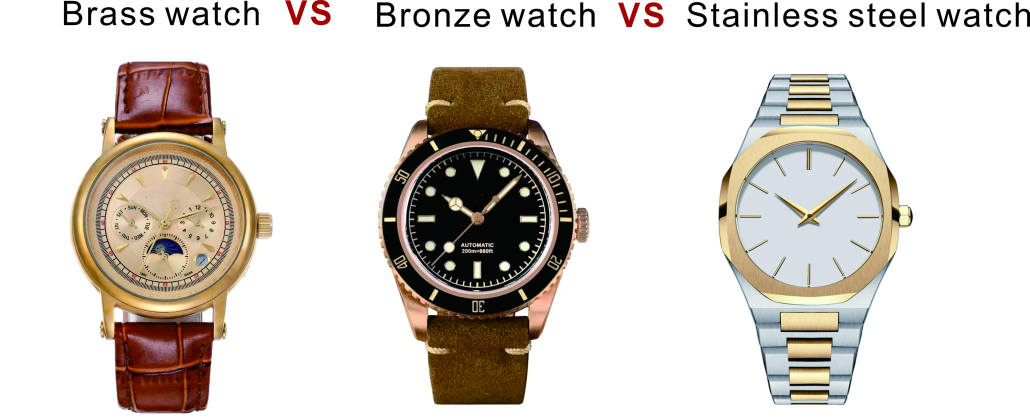
Table of Contents
Stainless steel watch meaning
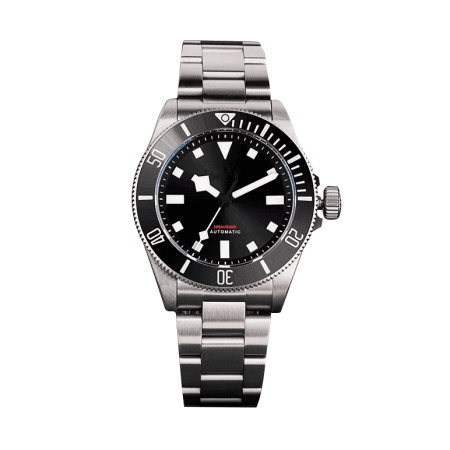
Stainless steel watches are watches with cases , straps or parts made of an alloy of iron and chrome that are durable, corrosion resistant and stylishly beautiful.
Stainless steel is the default choice for most watches today, and for good reason. It is incredibly tough and resists everyday scratches and dings very well. Its biggest selling point is its resistance to corrosion. The chromium in the alloy creates a passive layer that protects the iron from rust and tarnish, which is why it stays shiny.

In the watch industry, we primarily use a few different grades. 316L is the most common and is known as “surgical-grade steel” because it’s also hypoallergenic for most people. 904L is a higher grade with even more corrosion resistance, famously used by luxury brands. 304 stainless steel is a more basic, but still very effective, type. For a watch that will be your daily companion and needs to look good without a lot of maintenance, stainless steel is almost always the best answer.
Brass watch meaning
A brass watch has parts, usually the case, made from a copper and zinc alloy. It is known for its vintage, gold-like appearance and affordability. Unlike bronze, it tarnishes but rarely develops a desirable, unique patina.
Brass has a long history in clock and watchmaking, often used for internal movement parts because it’s easy to machine. As a case material, it offers a cost-effective way to get a rich, golden color without paying for gold plating or real gold. Its warm color gives watches an instant vintage feel.
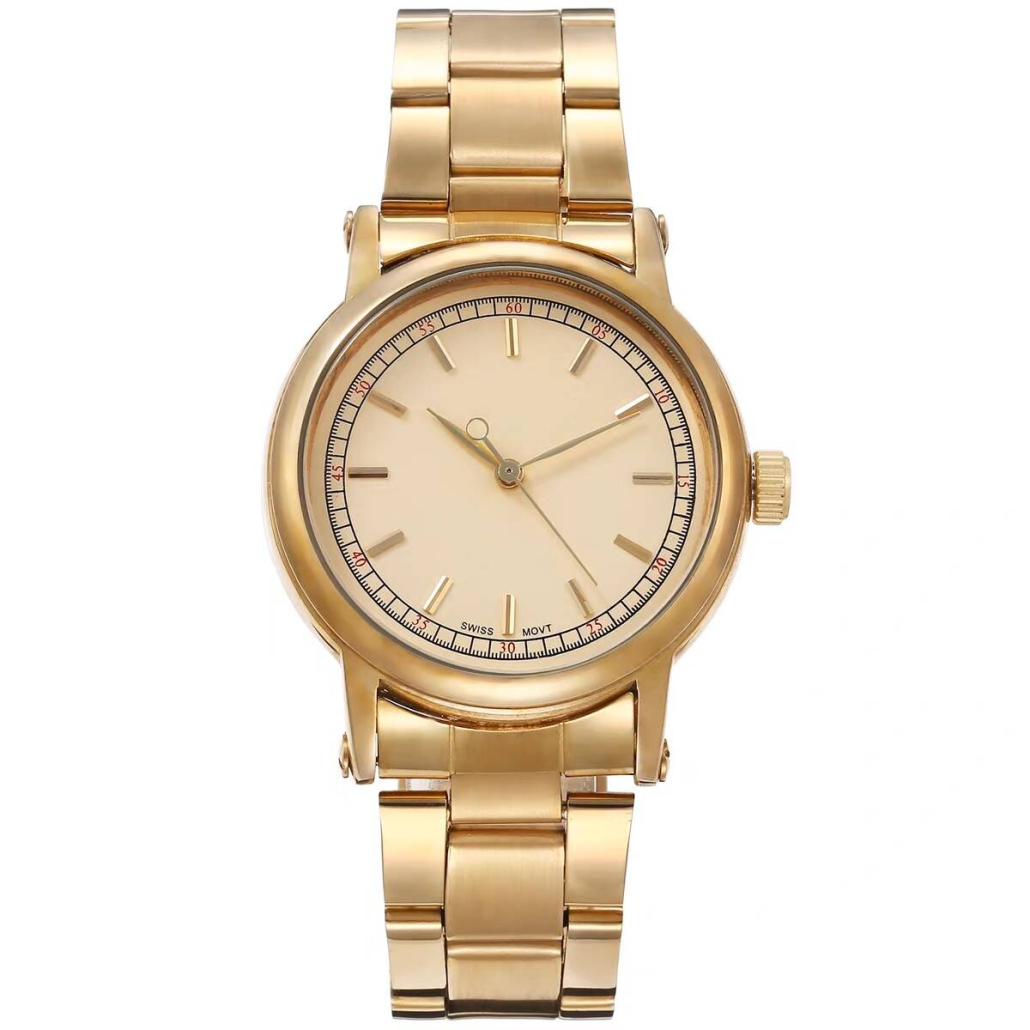
However, it is important to understand how brass ages. When exposed to air and moisture, it will tarnish and darken over time. This is different from the patina that forms on bronze. Brass tarnish doesn’t form the same kind of beautiful, protective layer. Because of this, and because it is a softer metal than steel, brass is less common for watch cases today. We mostly see it requested by brands creating very specific, budget-friendly, vintage-inspired pieces. It’s a great material for a certain look, but it’s not as practical as steel or as unique as bronze..
Bronze watch meaning
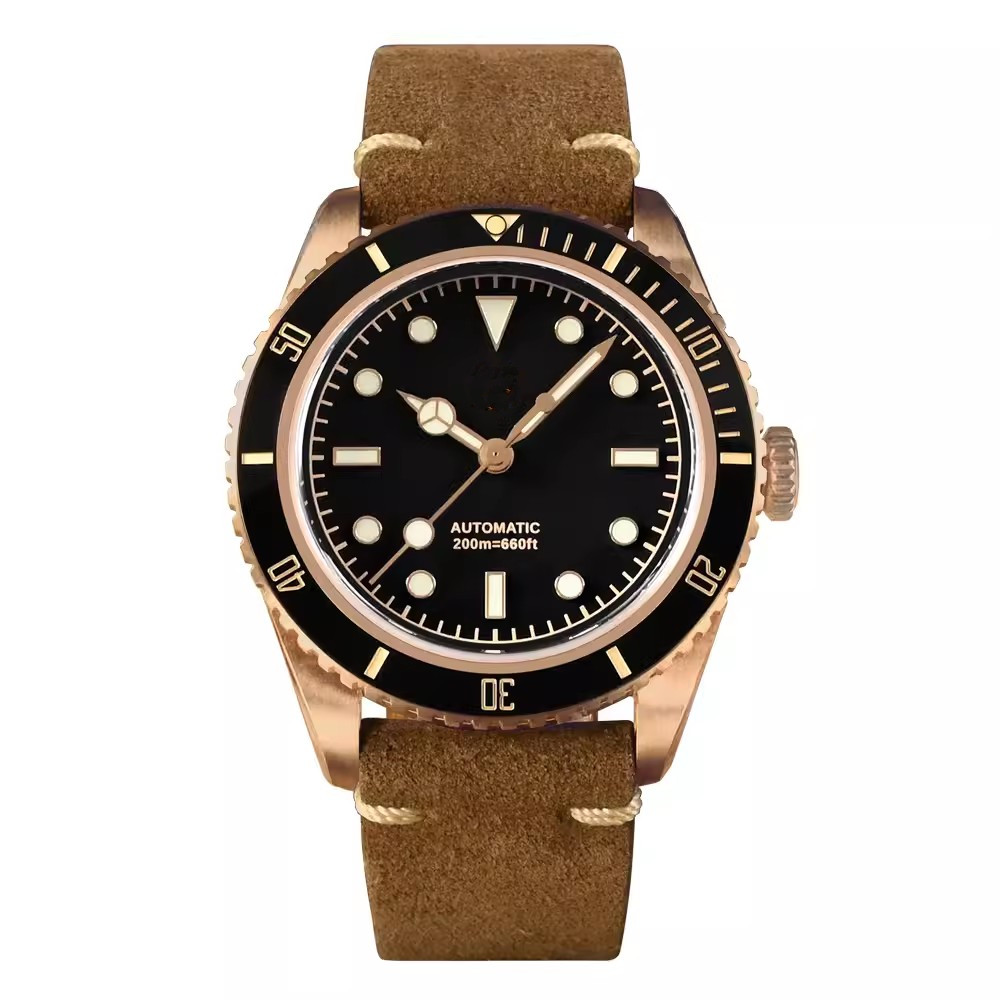
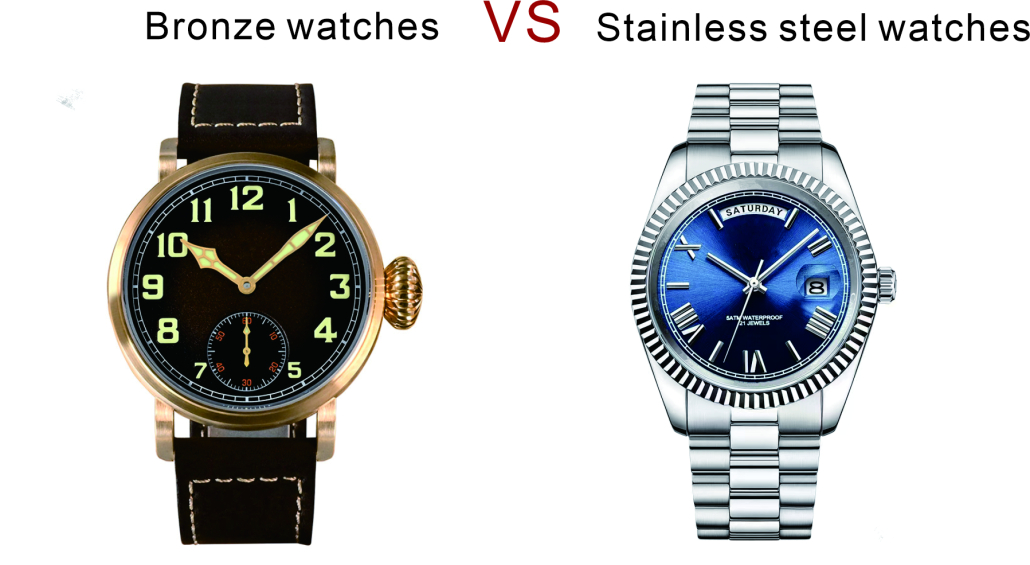
The case of a bronze watch is made of an alloy of copper and tin. Due to exposure to air and moisture, a unique patina forms over time. This natural oxidation process creates a unique antique appearance, making each watch a unique reflection of its owner’s life.
The patina is the entire point of a bronze watch. When bronze is exposed to oxygen, humidity, and even the oils on your skin, it begins to oxidize. This creates a thin layer on the surface that can range in color from dark brown to green and blue. This layer is not damage; it’s a protective coating that shields the metal underneath. The best part is that the patina is completely unique to you.
A person living near the ocean will develop a different patina than someone in a dry city. This makes the watch a living piece of your personal history. Bronze’s excellent resistance to saltwater corrosion is why it was historically used for marine equipment, which makes it a natural and popular choice for dive watches today. It’s for the person who doesn’t want their watch to look brand new forever.
Brass vs Bronze watch
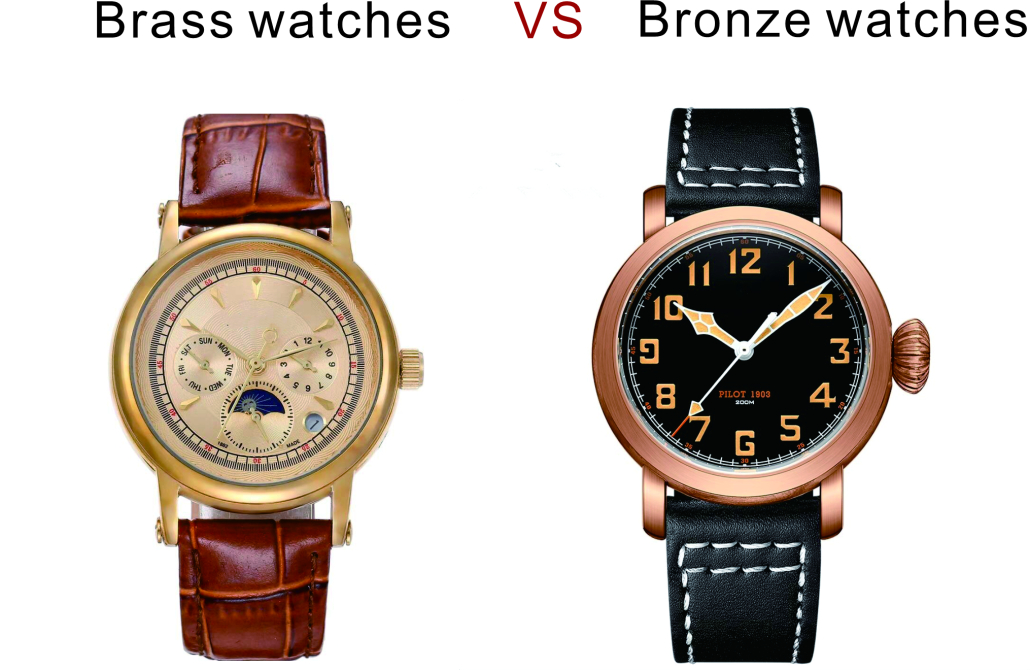
Brass and bronze both look like warm, vintage metals. It’s not easy to tell them apart, which makes it difficult to decide which one is better for making watches. Brass is a copper-zinc alloy that can change color. Bronze is a copper-tin alloy that can form a unique and desirable patina. Bronze is usually harder and more corrosion-resistant, making it a popular choice for durable diving watches, but it is also more expensive.
The key takeaway is how they age. The patina on bronze is seen as beautiful and is a major selling point. The tarnish on brass is generally not considered as attractive. Bronze is also the stronger, more durable material, especially against saltwater. This is why you see many premium microbrands releasing bronze dive watches, but very few releasing brass ones.
Bronze vs Stainless steel watch
Bronze is more prone to scratches and dents than stainless steel, but this doesn’t mean it’s fragile. Its strength is comparable to that of stainless steel (sometimes even stronger, depending on the specific circumstances). A bronze watch will develop a unique, aged patina over time, adding to its individual charm, but it requires careful maintenance to control its changes.
Stainless steel, on the other hand, is the practical and versatile choice. It’s harder and thus more scratch-resistant. It’s lighter and more comfortable for many people to wear daily. It’s also more affordable and will look almost as good after ten years as it did when it was new. This is a safe, classic and reliable option. Bronze, however, is an emotional choice. It’s heavier on the wrist, softer than steel, so it will show scratches and dents, which become part of its story. Its main feature – the patina – means it will never look the same twice. If the case back is not made of steel or titanium, it may leave harmless green marks on the skin. You choose bronze because you want a watch that grows and changes with you.
Brass vs Stainless steel watch
You want a watch with a vintage golden look, but you’re worried it won’t be durable enough. A brass watch seems perfect, but you’re afraid it will scratch and turn black, leaving you in a dilemma. Stainless steel is a hard and corrosion-resistant alloy that retains a silver sheen and is ideal for daily wear. It’s durable and easy to maintain. Brass is a softer copper-zinc alloy with a golden color and a vintage look. It’s less expensive, but it will lose its luster over time.
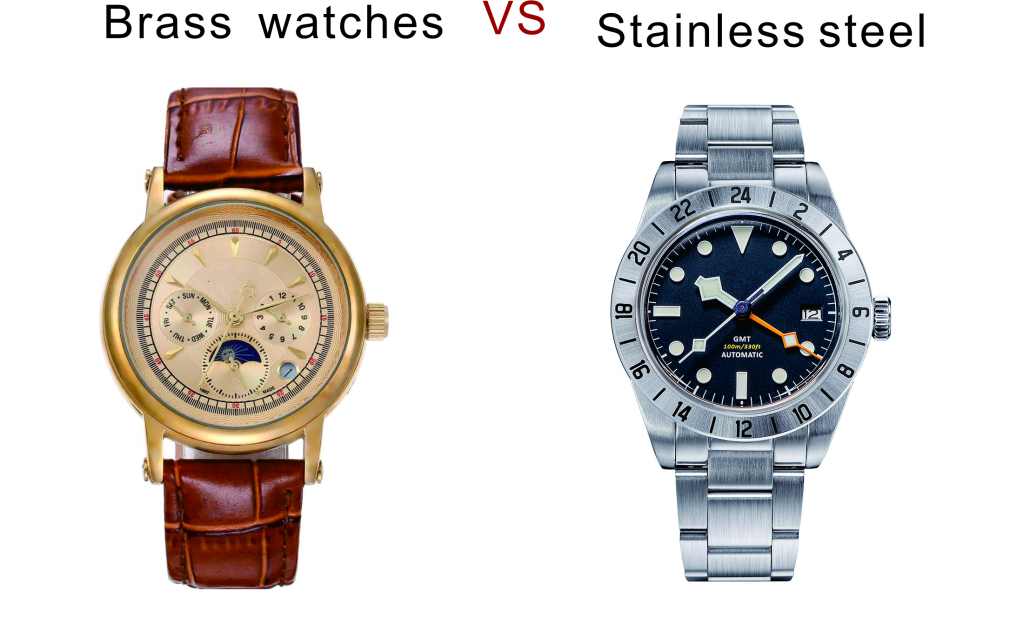
Choosing between brass and stainless steel is a classic battle between aesthetics and practicality. In watchessy watch factory , about 90% of the metal watches we produce are made of stainless steel. It’s undoubtedly the champion of durability. As an alloy of iron and chromium, it’s extremely hard and can withstand the scratches and bumps of daily life. It won’t rust or discolor and will remain as shiny as new with just a little care. It’s a safe and practical choice for a daily-wear watch. Brass is a copper-zinc alloy, and it’s chosen purely for its beauty. It offers a warm, golden, and vintage look at a much lower price than gold. However, it’s a softer metal and is more prone to scratches. Moreover, it will discolor over time, and its discoloration is different from the beloved patina of bronze. Here’s a simple comparison:

Conclusion-Brass vs Bronze vs Stainless steel watch
Stainless steel offers lasting, classic looks. Brass is an affordable, vintage-gold alternative. Bronze creates a unique watch that ages with you. Your personal style dictates the perfect choice.
Related product





Related post
Is the Seagull ST2130 a Good Watch Movement?
You’re looking for an affordable automatic watch and hear about the Seagull ST2130 . But it’s Chinese-made, and you worry it might just be
What Does Split Leather Mean and Is It Any Good?
You see "split leather" on a watch specificaton tag or manual. It sounds like leather, but the word "split" makes you doubt its quality,
What is an Analog Quartz Movement?
You see the term "analog quartz" on a watch spec sheet and get confused. How can it be both? This makes you unsure about
Are Chinese Watch Movements Any Good?
You’re looking at a watch and the specs say it has a “Chinese movement .” Would you doubt the quality of Chinese watch movements?
Is Miyota a Good Movement?
 You’re looking at a watch, and the description says it has a "Miyota movement." You have no idea what this means. Is it a
Swiss movement vs automatic
You see Swiss Movement on watches and assume it means luxury. But what are you actually paying for? Let’s clarify this famous, and often
Is a chronograph watch automatic
You love the technical look of a chronograph watch, but you’re not sure how it’s powered. This confusion can lead to buying a watch
A Guide to Chinese Watch Movements: What Do You Need to Know?
Chinese movements are often misunderstood, but they do play a significant role. Are they hidden treasures or compromise products? Chinese watch movements, with


Leave a Reply
Want to join the discussion?Feel free to contribute!