
Manual vs automatic watch:what’s the difference
In the watchmaking world, few topics can stir up as much passion and debate as the differences between manual vs automatic watches. The main distinction between manual vs automatic lies in the winding method. Automatic watches are self-winding watches, powered by the natural movements of the wearer. Manual watches, on the other hand, are hand-wound watches that require the user to manually wind the mainspring by turning the crown to provide power . Manual watches need to be wound frequently to keep running, while automatic watches only require occasional winding.
As we delve into the intricacies of manual vs automatic watches , we will explore their definitions, components, advantages, and disadvantages, ultimately helping you make an informed decision on the type of watch that suits your lifestyle and preferences.
Manual winding watch meaning
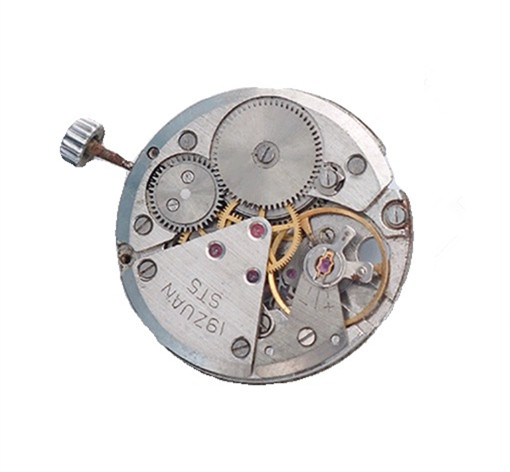
Manual watches, also known as hand-wound watches, require the wearer to regularly wind the crown to keep the watch running. The winding process tightens the mainspring, which stores energy and powers the watch.
The major components of a manual winding watch
Main spring : A coiled spring that stores energy when wound.
Gear train : A series of gears that transfer energy from the main spring to the escapement.
Escapement : Regulates the release of energy from the main spring, allowing the gears to move step by step.
Balance wheel : Swings back and forth to maintain accurate time. Crown : A knob used to wind the main spring and set the time.
Automatic watch meaning
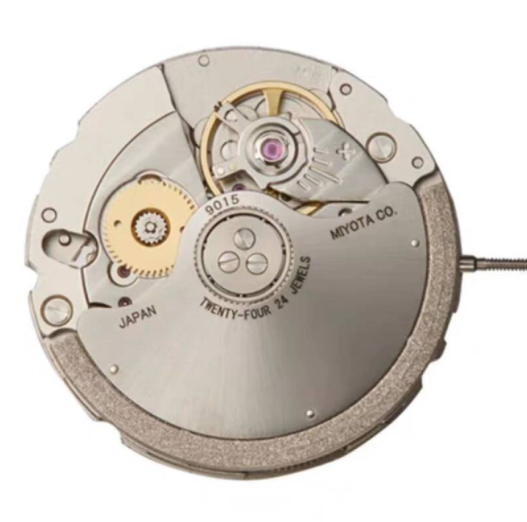
Automatic or self-winding watches use the natural movement of the wearer’s wrist to provide power. An automatic disc that rotates in response to the movement of the wrist characterizes it, winding the mainspring and keeping the watch powered with no manual winding.
The main components of an automatic watch
Rotor : A semi-circular weight that moves with the wearer’s wrist and winds the mainspring. Mainspring: Similar to a manual watch, stores energy when winding.
Gear train : Same function as a manual watch, transmits energy.
Escapement : regulates the release of energy, as in a manual watch. Balance: Ensures accurate timekeeping.
Manual vs Automatic watch
1. Winding mechanism
Manual watches need to be wound regularly, usually every 24 to 48 hours, depending on the model. For watch enthusiasts, winding the watch is a ritual, and they enjoy the tactile sensation of winding the watch. Automatic: Self-winding by wrist movement, which makes it easier to wear daily. However, if it is not worn for an extended period, it may need to be wound manually to get it started.
2. Power reserve
Manual watches have a short power reserve, usually ranging from 40 to 72 hours. Once the mainspring is released, the watch stops and needs to be wound. Automatic watches usually have a longer power reserve because of the efficiency of the winding mechanism. High-end models can have a power reserve of a week or more.
3. Maintenance
Manual watches may require more frequent maintenance because of the wear and tear caused by regular winding. However, they are usually simpler in construction and may therefore be less costly to repair. Automatic watches, although they may be more complex and require specialized knowledge to service, are usually serviced at longer intervals because they are designed for continuous operation.
4. Craftsmanship and Aesthetics
Manual Watches: Often regarded as works of art, they demonstrate superb craftsmanship. The winding mechanism makes the movement visible and enhances the aesthetics. Automatic watches: Although equally well crafted, they may incorporate additional components such as rotors, which, depending on the design, may detract from or enhance their visual appeal.
5. User experience
Manual watches offer a more hands-on experience. Enthusiasts often like to connect with their watch by winding it and knowing that they are actively taking part in its operation. Automatic watches offer a more “set it and forget it” experience. Automatic watches are more practical for people with busy lives or those who prefer convenience.
6. Price range
Manual winding watches: a wide range of prices. Luxury brands may offer high-end manual watches, but there are also moderately priced manual watches available. Automatic watches in general, they are more expensive because of the complexity of their mechanism. However, there are also entry-level automatic watches, making them accessible to a variety of consumers.

7. Accuracy and Precision
There is no fundamental difference between automatic and manual wind watch movements in terms of accuracy and precision. Both types of watches can achieve high precision and accuracy.
Conclusion
Choosing a manual or automatic watch ultimately depends on preference and lifestyle. Manual watches offer a tactile experience, are associated with the art of timekeeping, and often showcase fine craftsmanship. Automatic watches offer convenience, making them ideal for everyday wear while adding more fun to your life.
Related product



Related post
what is a gmt watch
The watch world is full of interesting terms and features, one of which is the GMT watch. GMT watches have more interesting complications than
What is a watch dial
Watch dial is the front face of a watch, which displays the time. They are an essential part of a watch. Understanding what
What is the case of a watch
For watches, a watch case is an essential parts of a watch.Many newcomers to the watch industry are curious about what is the
How to design a watch
In today’s world, watches are more than just a tool to tell time – they have become a fashion accessory and a statement of personal
Watch Movement Manufacturers
A watch movement (also known as a “caliber”) is the engine of a watch that acts as the powerhouse to make the watch and its
A complete guide to parts of a watch
Watches have been around for centuries, and they remain a timeless accessory that not only tells time but also reflects the wearer’s style and personality.
Swiss movement VS. Japanese movement
Swiss movement vs Japanese movement Watches are not just timepieces but also a reflection of one’s style, taste, and personality. Among the various watch components that


Leave a Reply
Want to join the discussion?Feel free to contribute!